




Lab-Grown vs. Natural Diamonds: Key Differences
Choosing a diamond is rarely just about the stone itself. It is about what that stone represents: a moment, a milestone, a piece of history set into something you will wear for years to come. As lab-grown diamonds become more common, more buyers are asking a genuine question: natural or lab-grown, and why does it matter?
This guide lays out how each type of diamond forms, how they compare on value and rarity, and what each option tends to suit, so you can make the choice that fits your passions and lifestyle the best.
How Natural Diamonds Are Formed
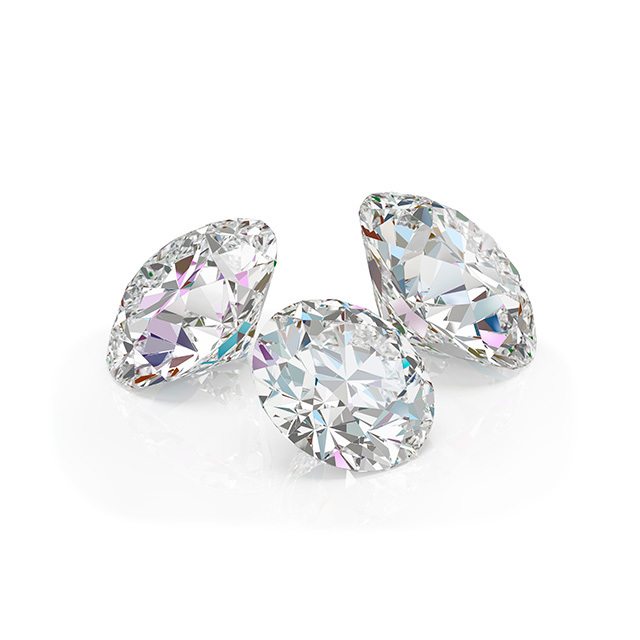
Natural diamonds begin forming roughly one to three billion years ago, deep beneath the earth's surface. Intense heat and pressure, sustained over that span, transform carbon into crystalline structures that are eventually carried toward the surface through volcanic activity. Each natural diamond is, in effect, a geological event: unrepeatable, and entirely its own.
That origin is part of what makes natural diamonds treasured in fine jewelry. No two stones share an identical formation history, which means no two stones are truly alike.
What Are Lab-Grown Diamonds?
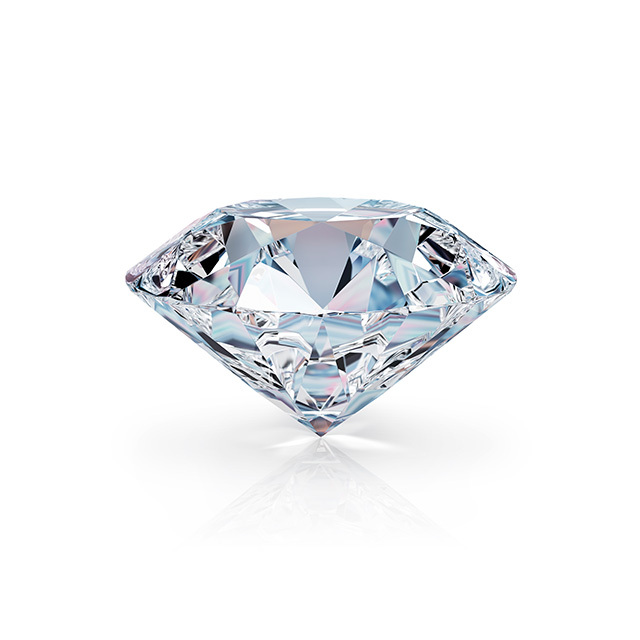
Lab-grown diamonds, sometimes called synthetic diamonds, are created in controlled settings that replicate the conditions needed for diamond formation. Using methods such as high-pressure high-temperature (HPHT) or chemical vapor deposition (CVD), scientists produce a diamond with the same chemical composition and crystal structure as a natural stone, in a matter of weeks rather than eons.
Chemically and optically, a well-made lab-grown diamond can be difficult to distinguish from a natural one without specialized equipment. Because supply is not limited by geology, lab-grown diamonds are generally more affordable than natural stones of comparable size and quality, which is part of why they have become popular with buyers who want a larger stone, a specific design, or simply a lower price point.
Value, Rarity, and What They Actually Mean for You
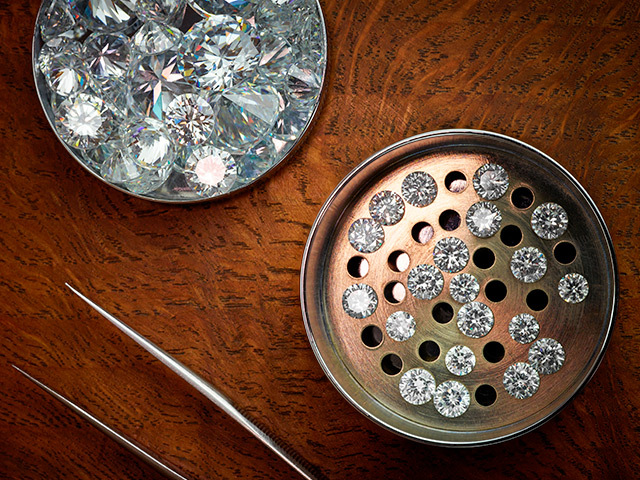
Rarity is central to the value conversation, but it's worth separating rarity from investment. Natural diamonds are inherently scarce: every stone mined represents a resource that took billions of years to form and cannot be replicated on demand.
That scarcity, combined with a long-established resale market, generally means natural diamonds hold their value better over time than lab-grown stones, whose supply can expand as production scales up.
That said, no diamond, natural or lab-grown, should be bought purely as a financial investment. Resale value depends on the individual stone's cut, clarity, carat, and color, as well as market conditions at the time of sale. The more useful question isn't which one will appreciate. It's which one fits what you actually want from the piece: a connection to something rare and geologically singular, or more size and design flexibility for the budget.
That scarcity, combined with a long-established resale market, generally means natural diamonds hold their value better over time than lab-grown stones, whose supply can expand as production scales up.
That said, no diamond, natural or lab-grown, should be bought purely as a financial investment. Resale value depends on the individual stone's cut, clarity, carat, and color, as well as market conditions at the time of sale. The more useful question isn't which one will appreciate. It's which one fits what you actually want from the piece: a connection to something rare and geologically singular, or more size and design flexibility for the budget.
What Diamonds Look Like at The Giving Tree Gallery
Our designers use natural diamonds, each with a distinct point of view:
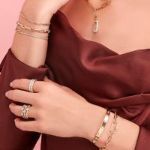
Shy Creation
Modern, stackable diamond necklaces, bracelets, and rings, from diamond bezel necklaces to diamonds-by-the-yard styles, built to layer and mix rather than sit alone in a jewelry box.

Monica Rich Kosann
keepsake lockets and charm necklaces in sterling silver and 18kt gold, designed around a piece's story as much as its sparkle.

Doves by Doron Paloma
Heirloom-quality designs that pair diamonds with colored gemstones and architectural detail, with a following that includes Michelle Obama and Jennifer Lopez.
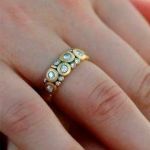
Alex Sepkus
Sculptural, nature-inspired rings and pendants in richly textured 18kt gold, for a more artisanal take on fine jewelry.
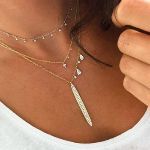
Meira T
Minimalist diamond pieces built around symbolic motifs like the Star of David, hamsa, and cross, in a mix of gold tones.
Every piece comes with a certificate of authenticity confirming the materials used, the diamond type and the metal. If that level of documentation matters for a specific purchase, ask us before you buy and we'll walk you through what's available.
When Choosing Between Natural and Lab-Grown Diamonds
There's no single right answer between natural and lab-grown diamonds. As a general guide:
• If rarity, geological history, scarcity, uniqueness and long-term value matter most to you, a natural diamond may be the stronger match.
• If you're prioritizing size, budget, or a specific design and the stone's origin matters less to you, a lab-grown diamond can be a very good choice.
• If you're not sure yet, start with what the piece is meant to be; an heirloom, an everyday piece, or a gift, and let that answer guide the rest.
Whichever direction you land on, visit us at The Giving Tree Gallery in St. Armand’s Circle, or reach out. Our team can walk you through the natural diamond pieces we carry and help you find something that fits your story.
• If rarity, geological history, scarcity, uniqueness and long-term value matter most to you, a natural diamond may be the stronger match.
• If you're prioritizing size, budget, or a specific design and the stone's origin matters less to you, a lab-grown diamond can be a very good choice.
• If you're not sure yet, start with what the piece is meant to be; an heirloom, an everyday piece, or a gift, and let that answer guide the rest.
Whichever direction you land on, visit us at The Giving Tree Gallery in St. Armand’s Circle, or reach out. Our team can walk you through the natural diamond pieces we carry and help you find something that fits your story.
Frequently Asked Question
Are lab-grown diamonds real diamonds?
Yes. Lab-grown diamonds share the same chemical and physical properties as natural diamonds. The difference is where and how they are formed, not what they are made of.
Can you tell the difference between a natural and a lab-grown diamond by looking at it?
Not with the naked eye. Distinguishing natural diamonds from lab-grown diamonds requires specialized gemological equipment.
Do natural diamonds hold their value better than lab-grown diamonds?
Generally, yes. Natural diamonds benefit from limited supply and a long-established resale market, while lab-grown diamonds have tended to lose value faster as production increases. That said, resale value for any diamond depends on the individual stone and the market at the time of sale, so neither should be bought purely as an investment.
Is a natural diamond a good investment?
Not in the way a stock or a bond is. A natural diamond can hold its value better than a lab-grown stone thanks to its scarcity, but value depends heavily on the individual stone and the market when you sell. Buy a natural diamond for what it represents, not as a financial investment.
Yes. Lab-grown diamonds share the same chemical and physical properties as natural diamonds. The difference is where and how they are formed, not what they are made of.
Can you tell the difference between a natural and a lab-grown diamond by looking at it?
Not with the naked eye. Distinguishing natural diamonds from lab-grown diamonds requires specialized gemological equipment.
Do natural diamonds hold their value better than lab-grown diamonds?
Generally, yes. Natural diamonds benefit from limited supply and a long-established resale market, while lab-grown diamonds have tended to lose value faster as production increases. That said, resale value for any diamond depends on the individual stone and the market at the time of sale, so neither should be bought purely as an investment.
Is a natural diamond a good investment?
Not in the way a stock or a bond is. A natural diamond can hold its value better than a lab-grown stone thanks to its scarcity, but value depends heavily on the individual stone and the market when you sell. Buy a natural diamond for what it represents, not as a financial investment.