





St. Armands Circle opened to the public in 1926, bringing John Ringling’s vision for an elegant residential and shopping district on Sarasota’s barrier islands to life. But the Circle’s history began decades before Ringling—and its first years were followed by a long period when the ambitious development nearly disappeared into the Florida landscape.
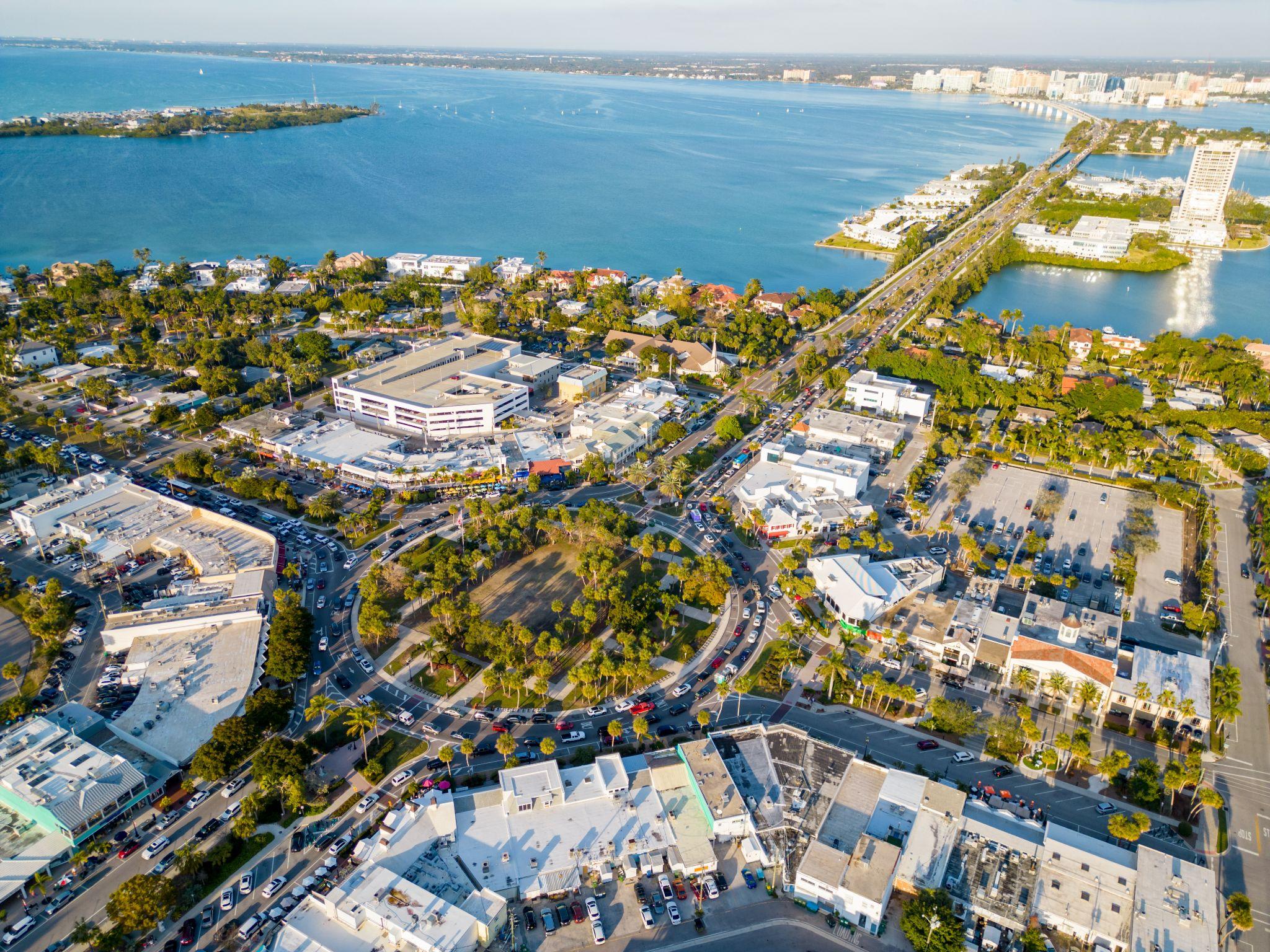
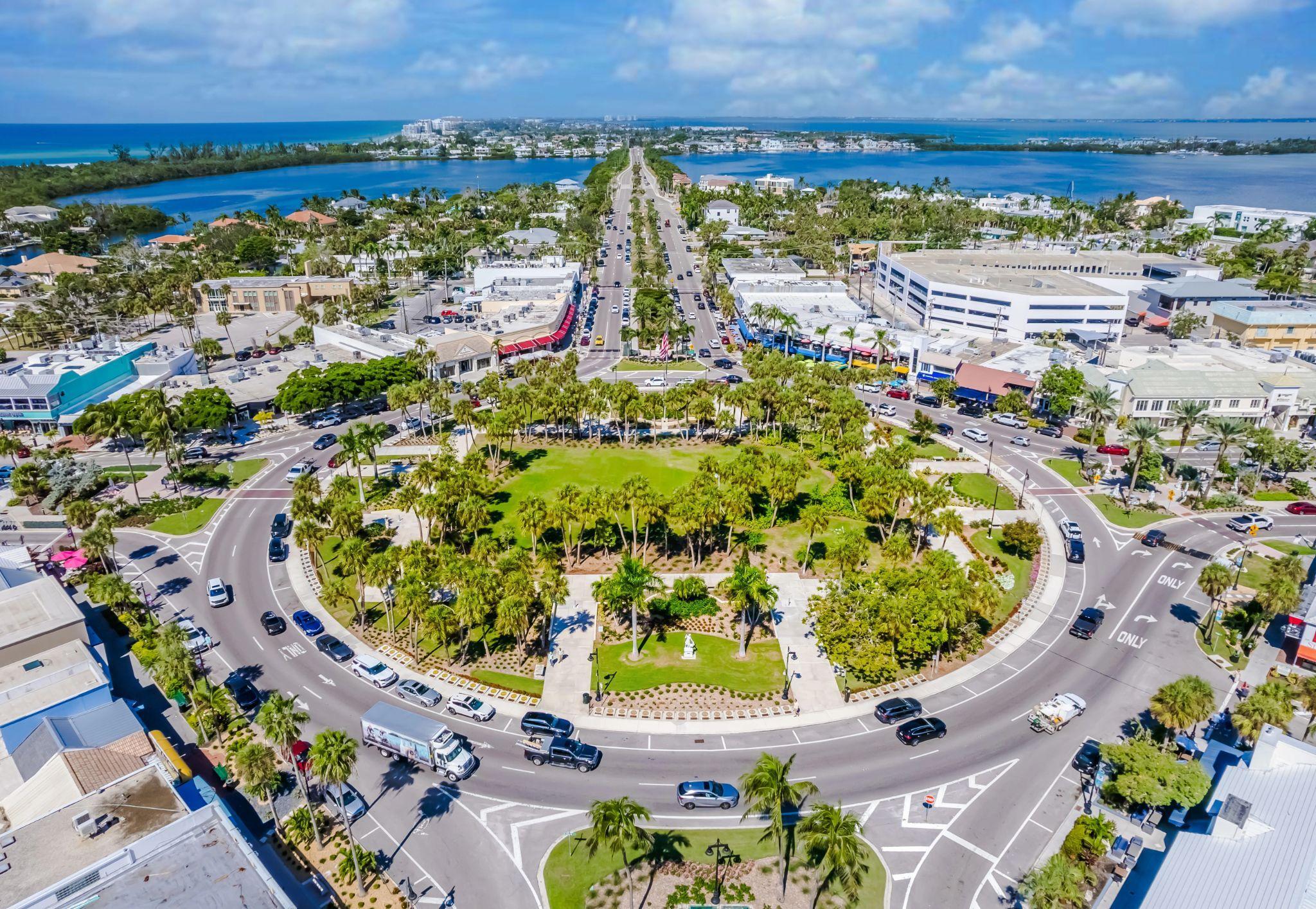
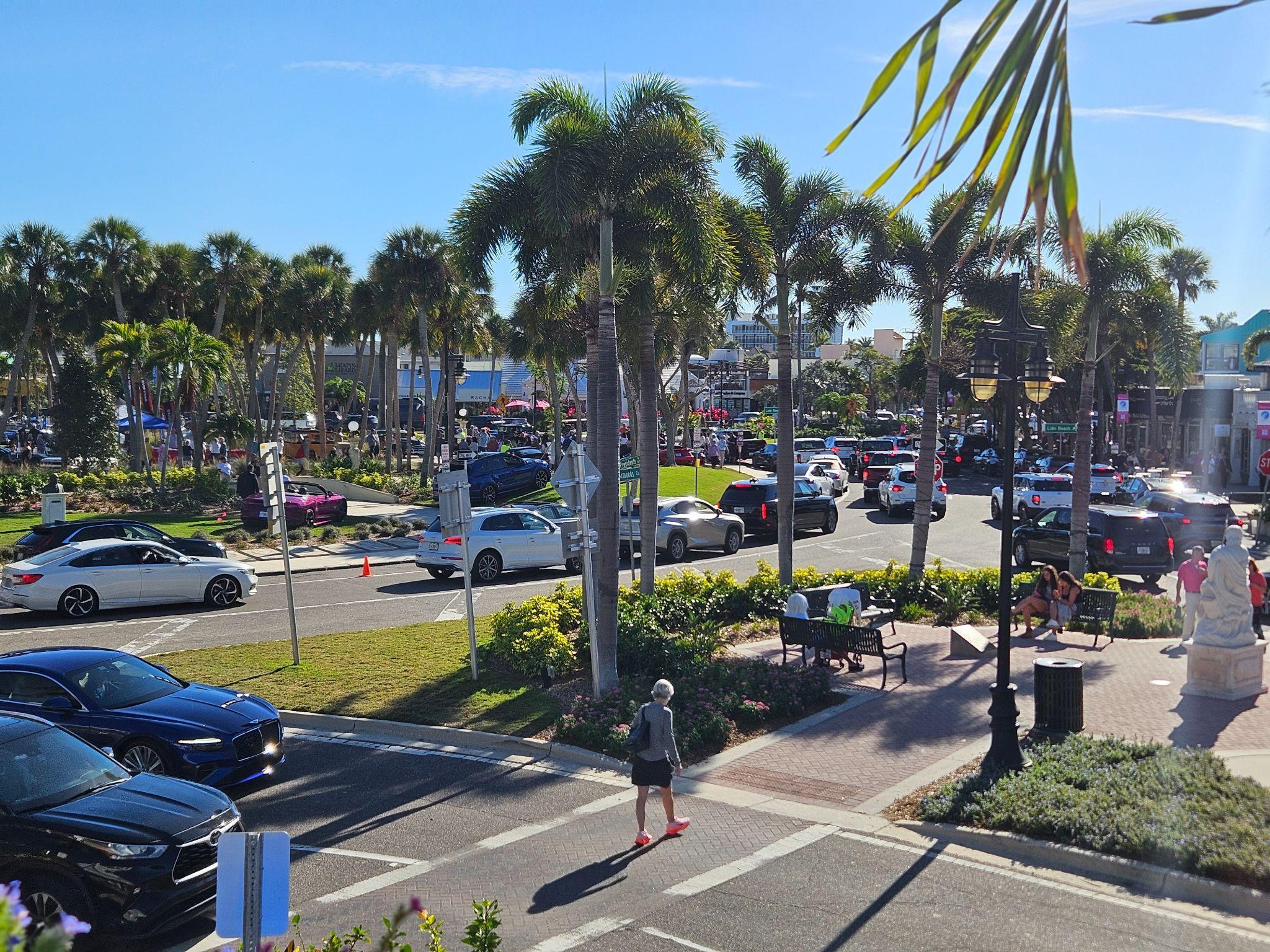
A century later, the plan is unmistakable: a central park surrounded by shops, galleries and restaurants, with broad streets extending outward toward Sarasota, Longboat Key and Lido Beach. The layout makes St. Armands feel less like a conventional shopping center and more like a place designed to be experienced on foot.
Its survival was never guaranteed. St. Armands endured the collapse of the Florida land boom, decades of inactivity, changing bridges and, most recently, the destructive 2024 hurricane season. The story of the Circle is therefore not only about John Ringling’s imagination. It is also about the residents, merchants and visitors who repeatedly brought that vision back to life.
Before St. Armands: Charles St. Amand and a Name Changed by Error
Before there was a circle, a causeway or a shopping district, the island was accessible only by boat. French-born homesteader Charles A. St. Amand arrived in the late 1880s, cleared land, built a modest home and grew produce while fishing the surrounding waters. In 1893, he filed a homestead claim for approximately 131 acres across a three-island tract.
The familiar name “St. Armands” resulted from an error. St. Amand’s surname acquired an extra “r” in later land records, and the misspelling remained attached to the key. That is why the destination is correctly written today as St. Armands Circle—with no apostrophe—even though its namesake was Charles St. Amand.
St. Amand sold the land in 1894. It changed hands several times over the following two decades before reaching the person whose plans would permanently reshape it.
John Ringling Buys the Key
John Ringling purchased the property in 1917. By then, he and his wife, Mable, were becoming central figures in Sarasota’s transformation. Ringling did not see the isolated keys merely as beachfront land. He imagined an interconnected development of homes, hotels, recreation and commerce spanning Bird Key, St. Armands Key, Lido Key and portions of Longboat Key.
St. Armands Circle was conceived as one of the focal points of that larger Ringling Isles project. Shops would surround a landscaped central park, while homes would extend along broad streets radiating from it. The plan combined residential life and commerce in a form that now feels familiar but was unusually deliberate for a barrier island development in the 1920s.
Architect John J. Watson and Sarasota engineer Leon Pickett are associated with the Circle’s plan, while developer and builder Owen Burns played a major role in creating the roads, sidewalks, landscaping and new land needed for Ringling’s island ambitions. Streets were given presidential names, including Boulevard of the Presidents, while the park at the center became Harding Circle, named for President Warren G. Harding.

Building a Destination Before There Was a Bridge
The location that made St. Armands desirable also made it difficult to build. With no road connection from mainland Sarasota, materials had to reach the islands by water. Ringling used an old paddle-wheel steamboat named Success as a workboat to carry supplies for the development.
The more consequential undertaking was the causeway. Construction began in the mid-1920s, creating the physical connection necessary to make Ringling’s plans viable. The original bridge opened to traffic in February 1926 and led motorists from Sarasota across the bay toward the new island development. Ringling reportedly drove the first automobile across it and later donated the bridge to the city.
The bridge was transportation infrastructure, but it was also part of the spectacle. Crossing Sarasota Bay created an arrival sequence: mainland, water, islands and finally the Circle. Although the original bridge was eventually replaced—and the current high-span John Ringling Causeway opened in 2003—the experience of crossing the bay remains part of what distinguishes a visit to St. Armands.
[video - sunset]
The 1926 Opening—and the Collapse That Followed
St. Armands Circle opened during the height of Florida’s 1920s land boom. The landscaped park, boulevards, sidewalks, statuary and commercial plan reflected extraordinary confidence in Sarasota’s future. Yet the timing could hardly have been more precarious.
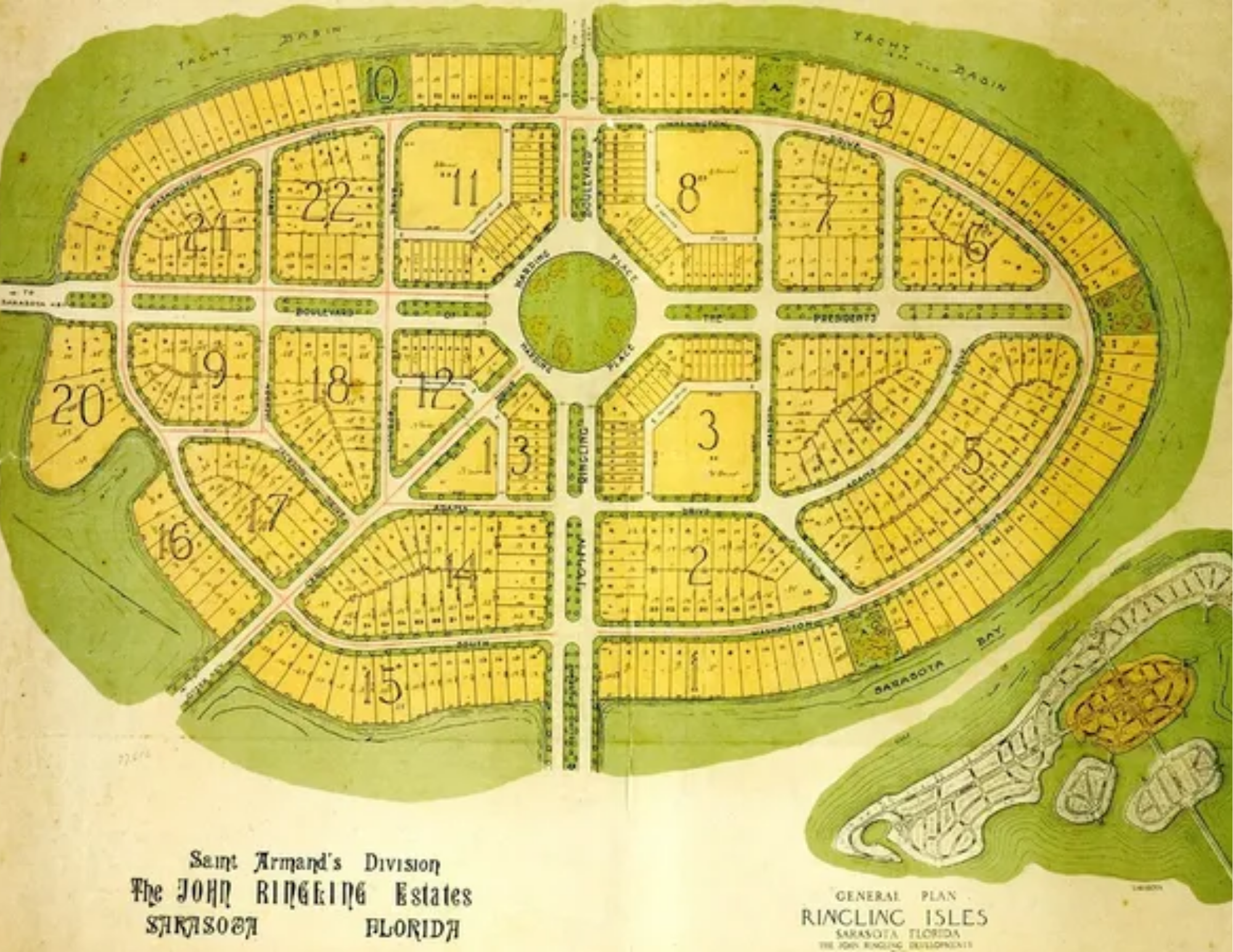
Florida’s real-estate boom collapsed before the end of the decade, and the national economic crisis that followed brought development to a halt. Sales slowed, projects were abandoned and Ringling’s expansive island vision remained incomplete. For roughly a quarter century, the Circle entered what the St. Armands Residents Association describes as a period of “hibernation.” Vegetation overtook portions of the carefully laid-out streets and sidewalks, and the shopping district Ringling imagined existed more clearly in plan than in daily life.
The Circle’s eventual success can make this dormant period easy to overlook. It is also one of the most important parts of the story: St. Armands was not an immediate commercial triumph. Its original plan survived long enough for Sarasota to grow into it.
Revival After 1953
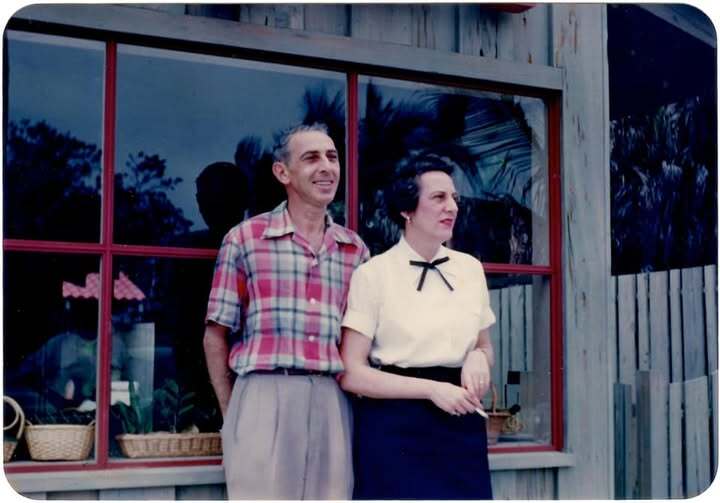
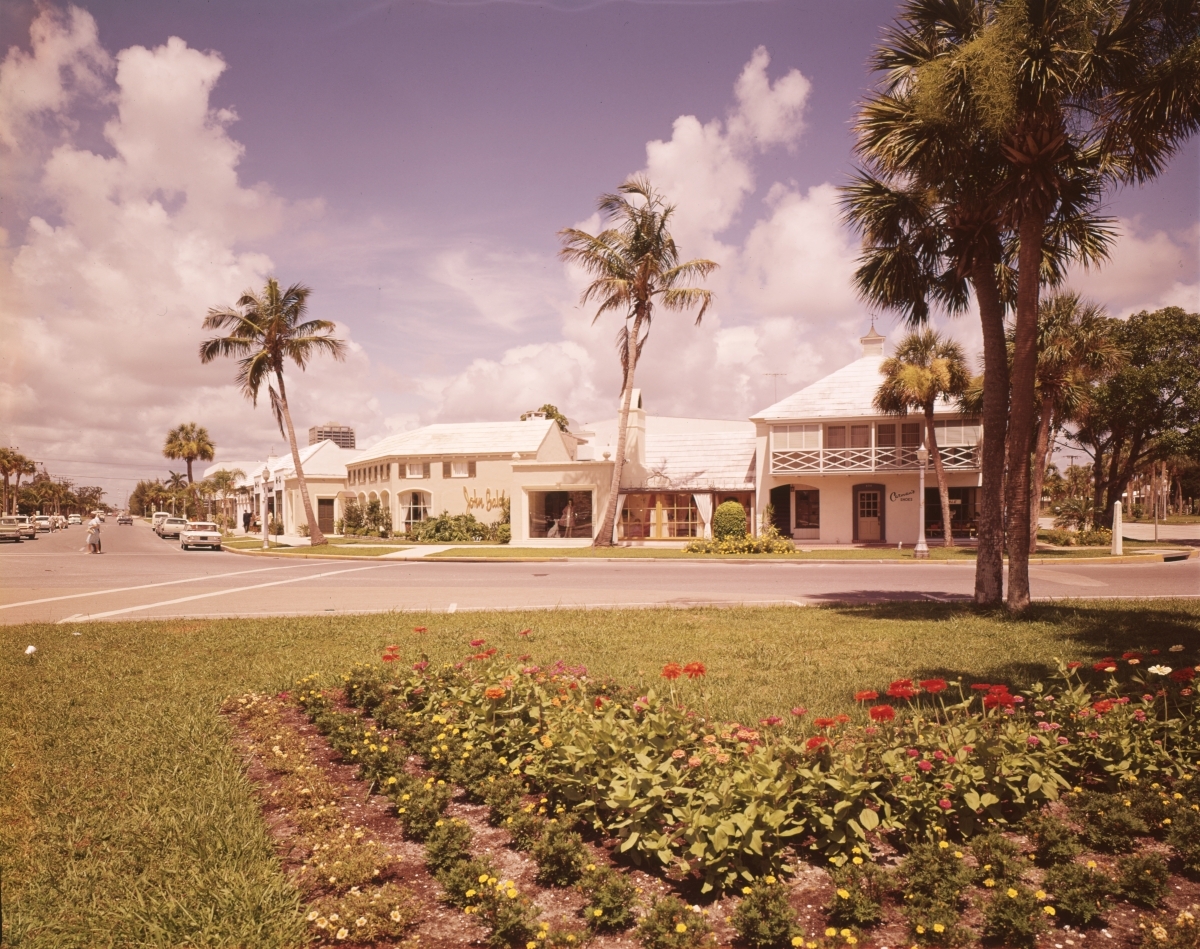
Businesses began returning after 1953. Development on Bird Key and Longboat Key in the late 1950s and early 1960s brought more residents and visitors through St. Armands, strengthening the commercial district at the center of the island route. Restaurants, jewelers, clothing stores and specialty shops gradually filled in the Circle and gave Ringling’s mixed residential-and-shopping concept the activity it had lacked for decades.


The St. Armands Circle Association began serving merchants and visitors in 1965, helping coordinate promotion, events and improvements. Over time, the Circle developed a character that differed from both a downtown shopping street and an enclosed mall: independent businesses and national names shared a compact, open-air district built around a public park.
In 2001, Harding Circle Historic District was added to the National Register of Historic Places for its significance in community planning and development. The designation encompasses Harding Circle Park, adjacent medians, portions of John Ringling Boulevard and Boulevard of the Presidents, and associated Ringling-era statuary.
The Statues, the Park and Sarasota’s Circus Legacy
John Ringling’s European travels influenced more than the street plan. He acquired classical and Renaissance-inspired statues for the development, placing art within the public landscape rather than confining it to a private estate or museum. Sixteen Ringling-era stone and bronze statues remain in the central park and nearby medians.
A preservation effort begun in 2007 restored those historic works and added new sculptures designed to complement Ringling’s original collection. Together, the statues help explain why the Circle feels visually different from a typical retail district: art is part of the streetscape itself.

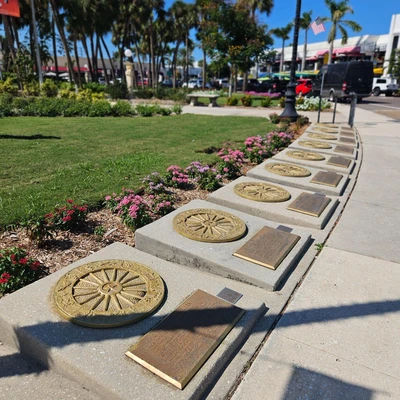
The park also carries Sarasota’s circus heritage. The Circus Ring of Fame began in 1988 and now recognizes more than 150 performers, producers and other figures who made lasting contributions to circus arts and culture. Its plaques around the park connect the Circle to the industry that brought the Ringlings to Sarasota and helped shape the city’s identity.

The Giving Tree Gallery Joins the Circle
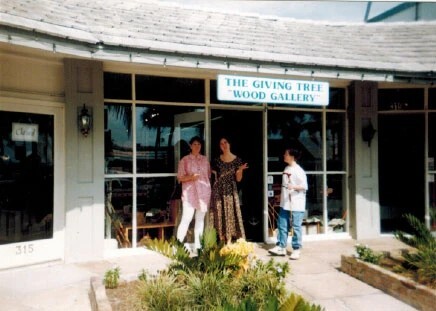
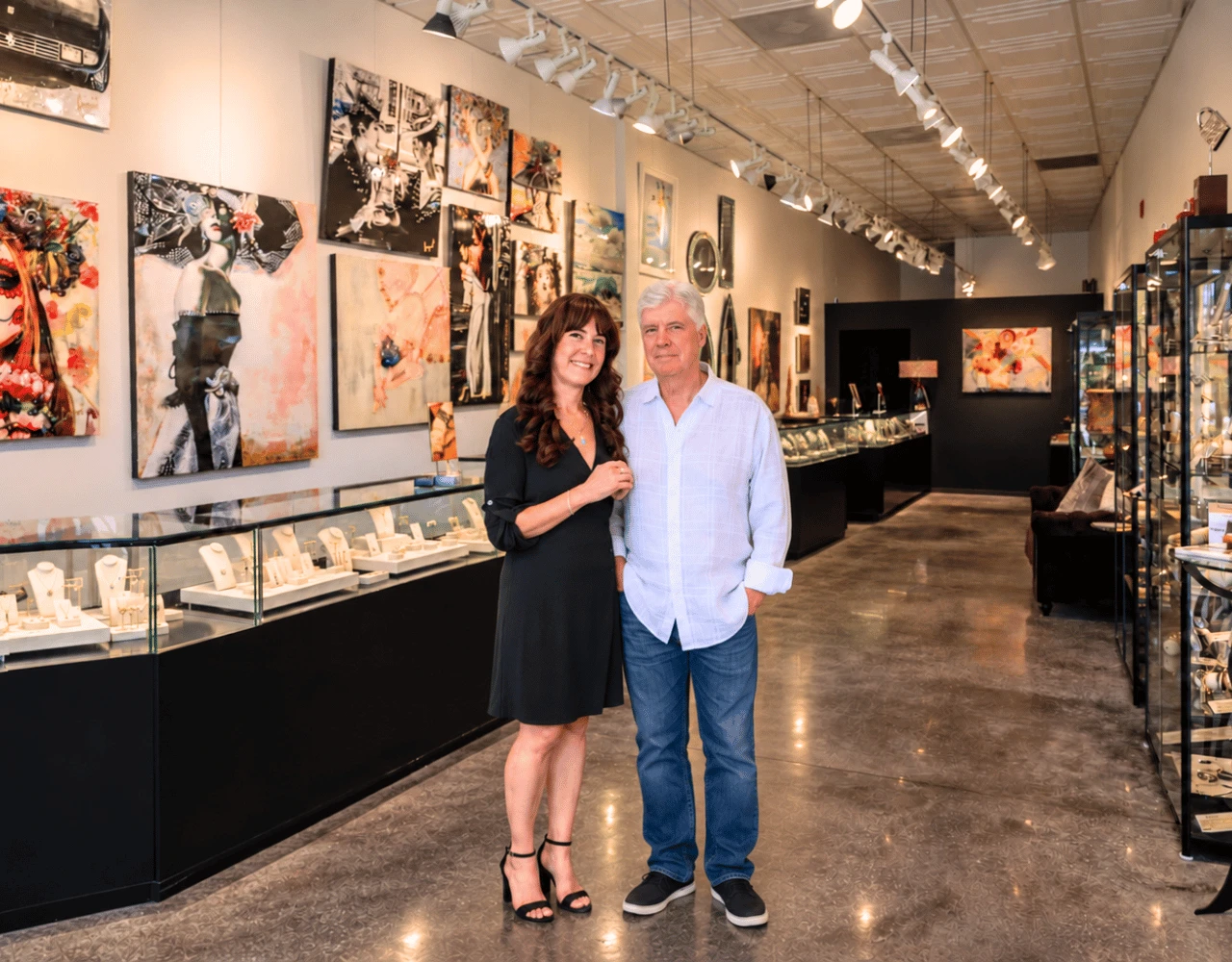
The Giving Tree Gallery became part of St. Armands Circle in 1994. What began as The Giving Tree Wood Gallery, centered on hand-carved American woodwork, grew over the following three decades into a gallery known for designer jewelry, contemporary art and artisan-made home décor.
That evolution reflects something important about the Circle itself. St. Armands has never remained frozen in 1926. Businesses and tastes change, but the underlying idea endures: people come to walk, discover, dine and encounter things they would not find in an ordinary shopping center.
For The Giving Tree Gallery, being on the Circle means participating in a destination larger than a single store. A visitor may come across the bridge for lunch, browse the galleries, find a piece of art or jewelry, walk to Lido Beach and return for dinner. The experience works because shopping is one part of a day spent in a distinctive place.
Hurricanes Helene and Milton Test the Circle
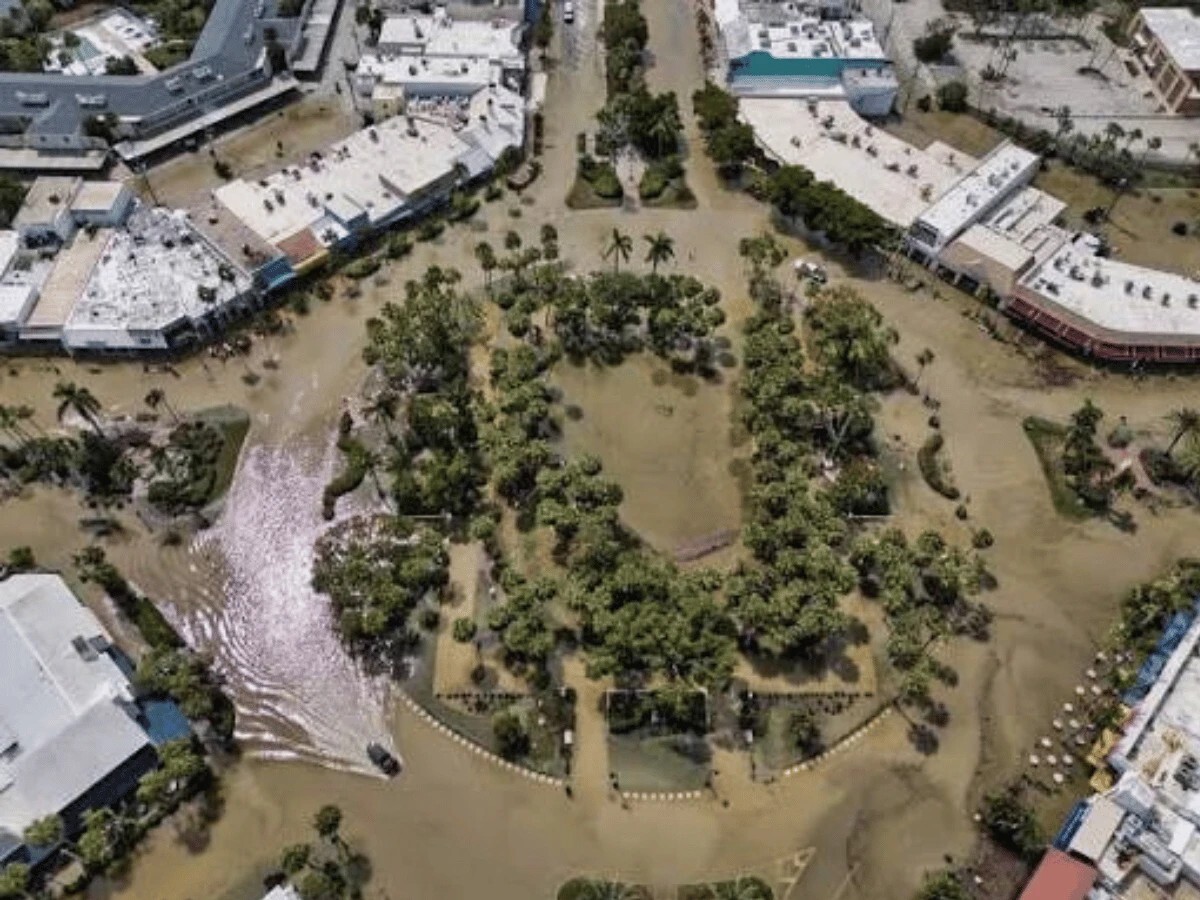
In 2024, St. Armands Circle faced one of the most damaging periods in its modern history. Hurricane Helene drove severe storm surge into the district in late September. Less than two weeks later, Hurricane Milton made landfall near Sarasota and compounded the destruction. Shops and restaurants flooded, inventories and interiors were lost, and debris filled the streets just as the region was approaching its busiest season.
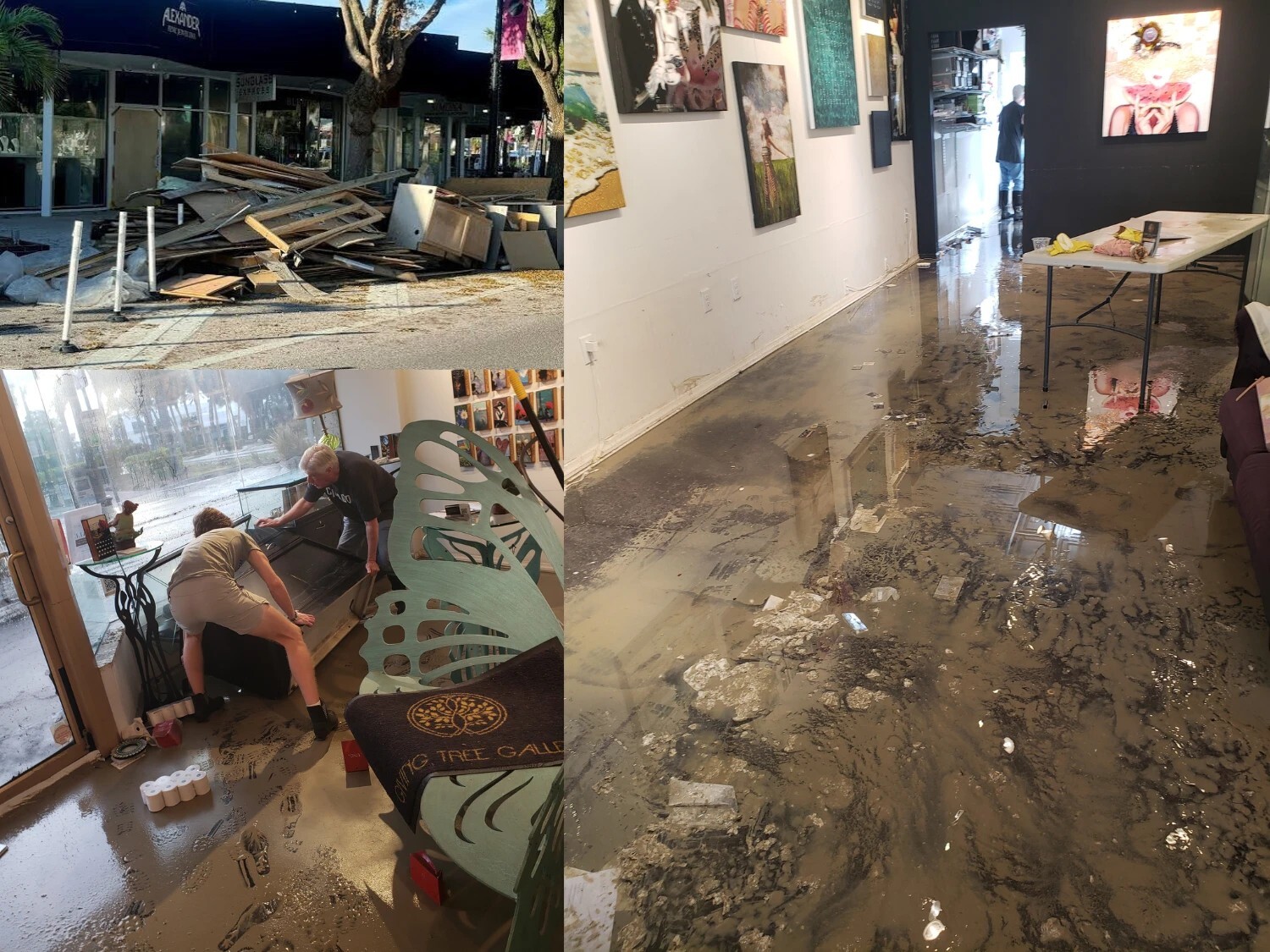
At The Giving Tree Gallery, approximately five feet of water entered the St. Armands location and destroyed displays and much of the inventory. The gallery reopened roughly a month later, but reopening one storefront could not instantly restore the destination around it. Many neighboring businesses required far longer, and the perception that the entire Circle remained closed continued even as merchants returned.
Recovery took place business by business and block by block. By the fall of 2025, shoppers and diners had returned in meaningful numbers. The City of Sarasota also completed substantial restoration work in the park, including landscaping, lighting and new trees. The rebuilding was physical, but it also required reminding residents and visitors that St. Armands was open again.
For a district whose first commercial dream survived decades of dormancy, the recovery fits a longer pattern. St. Armands has repeatedly depended on people willing to reinvest in it rather than accept that its best years are behind it.
St. Armands Circle at 100
In 2026, St. Armands Circle marks 100 years since its opening. Ringling’s original causeway is gone, the commercial mix has changed many times and the district has survived economic collapse, redevelopment and hurricanes. Yet the essential plan remains remarkably legible.
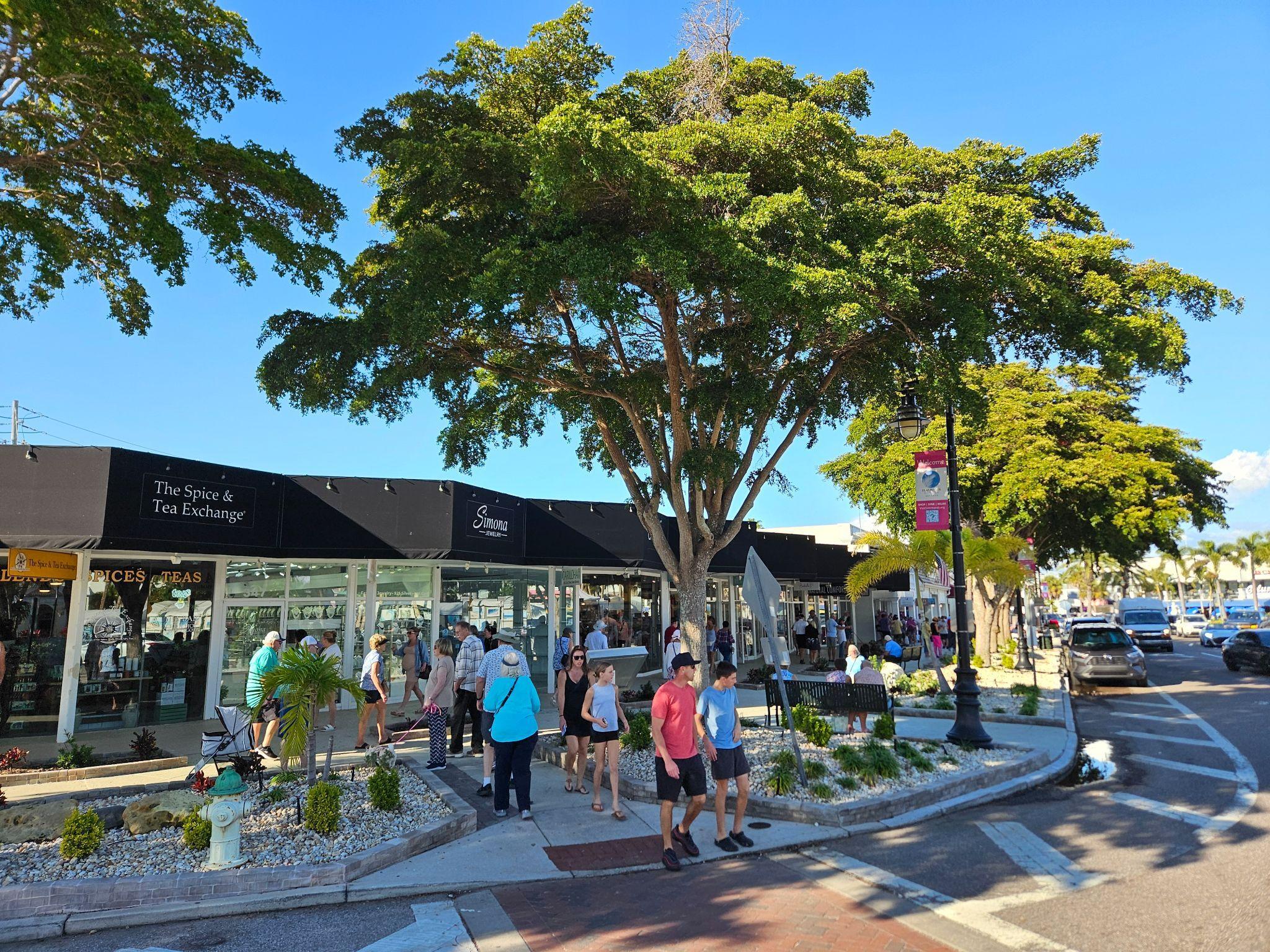
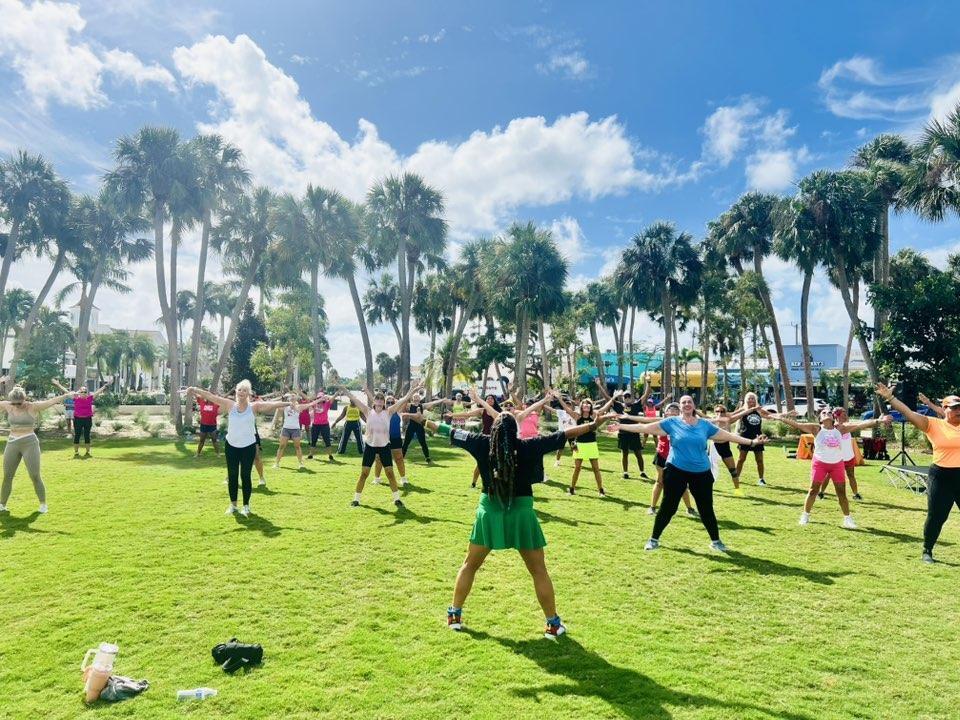
Visitors still cross Sarasota Bay, arrive at a landscaped circle and move among shops, galleries, restaurants and public art on foot. The central park continues to host art festivals, car shows and community events. Lido Beach remains just beyond the Circle, while downtown Sarasota is only a short drive—or a free Bay Runner trolley ride—across the bridge.
That continuity is the true achievement of St. Armands Circle. John Ringling supplied the vision, but a century of merchants, residents, civic leaders and visitors turned it into a living place. The Circle has lasted because each generation found a reason to return—and something worth preserving when it did.
Visit a Destination Within a Destination
The Giving Tree Gallery is located at 5 N Boulevard of the Presidents, just steps from Harding Circle Park. Make a day of your visit: explore our designer jewelry and contemporary art, stroll the Circle’s shops and galleries, enjoy lunch or dinner nearby, and continue to Lido Beach. More than 30 years after joining the Circle—and 100 years after its opening—we remain proud to be part of this singular Sarasota destination.
FAQs
When did St. Armands Circle open?
St. Armands Circle and the original causeway opened to the public in 1926. The year 2026 marks the Circle’s centennial.
Who created St. Armands Circle?
Circus magnate John Ringling conceived St. Armands as part of a larger island development combining homes, hotels, recreation and shopping. Architect John J. Watson, engineer Leon Pickett and developer Owen Burns were among the figures associated with planning and building the development.
Why is it called St. Armands Circle?
The key was named for early homesteader Charles A. St. Amand. His surname was later misspelled with an additional “r” in land records, producing the name “St. Armands” that remains in use today.
Is St. Armands Circle on Lido Key?
St. Armands Circle is located on St. Armands Key, immediately adjacent to Lido Key and Lido Beach. The two are closely connected and are often described together by visitors, but they are historically distinct keys.
What is the park in the center of St. Armands Circle called?
The central green space is officially Harding Circle Park, named for President Warren G. Harding. It is commonly referred to as St. Armands Circle Park.
What historic landmarks can visitors see?
Visitors can see Ringling-era classical statues, later sculptures added through preservation efforts, the Circus Ring of Fame and the historic street plan centered on Harding Circle Park. The district was listed on the National Register of Historic Places in 2001.